


Rodent control for hospitality properties
Published on
3 min read
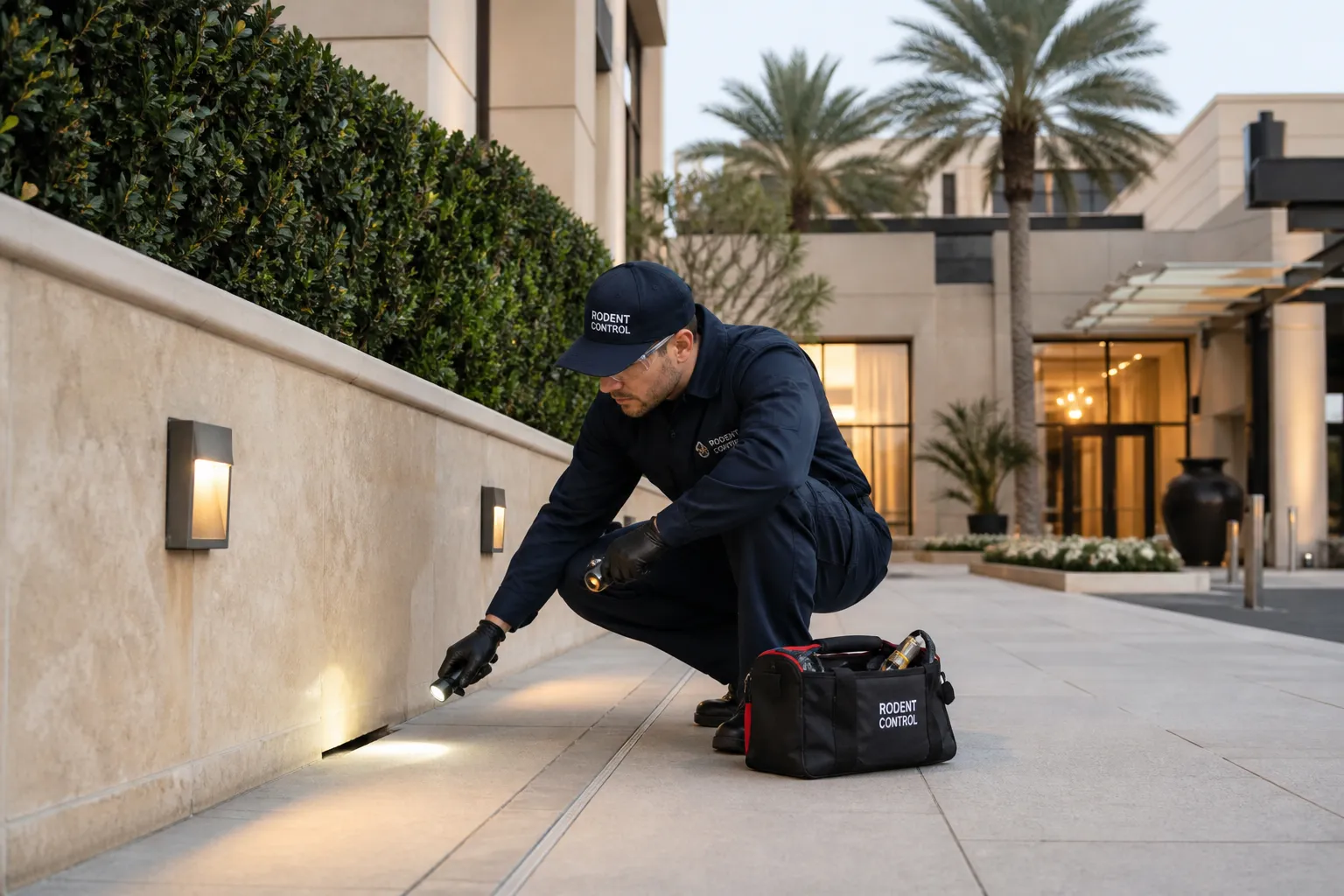
Rodent presence in a hospitality property is one of the most serious hygiene and safety risks management can face, both for regulatory implications and reputational damage if a guest reports it. Unlike general pest control, rodent control requires specific procedures tied to the biology and behaviour of these animals.
This article explains how rodent control works in a hospitality property and what regulations require.
Contents
- Why rodents are a special case among pests
- Early signs of rodent presence
- The stages of a rodent control intervention
- Outdoor and indoor stations
- Regulatory obligations and documentation
- Structural prevention: closing access points
- How to handle a guest report
Why rodents are a special case among pests
Rodents stand out from other pests for how quickly they adapt and how fast an isolated presence can turn into a full infestation. They can also cause significant physical damage, gnawing through electrical wiring, pipework and insulation materials, with risks that go beyond hygiene alone and reach into system safety.
Early signs of rodent presence
The most common early signs include small droppings near food sources or in low-traffic areas, gnaw marks on packaging or cables, and scratching noises in ceiling voids or cavities, especially at night. Cleaning and kitchen staff, being in close daily contact with these spaces, are often the first to notice these signs and should be trained to report them promptly.
The stages of a rodent control intervention
A professional rodent control intervention starts with a site visit to identify entry points and at-risk areas, continues with installing monitoring stations and bait at strategic points, and includes periodic checks to verify activity recorded at the stations. In the event of an active infestation, the intervention plan is stepped up until a stable level of control is reached and confirmed over time.
Outdoor and indoor stations
Outdoor stations, placed along the building’s perimeter, mainly serve to intercept rodents before they can get into the property, while indoor stations monitor presence in specific areas such as kitchens, storerooms and technical rooms. A well-designed plan clearly distinguishes between these two types, with specific control protocols for each.
Regulatory obligations and documentation
As with general pest control, rodent control in properties with food service is part of the documented obligations under the HACCP plan. Every installation, check and intervention needs recording with date, outcome and the person responsible, keeping an up-to-date map of active stations on the property, available for a regulatory inspection.
Structural prevention: closing access points
Beyond monitoring, the most effective prevention is physically closing off possible entry points: cracks in foundations, openings around pipes and cables, exterior doors without adequate seals. A rodent control intervention limited to placing bait, without addressing the structural causes of access, tends to produce only temporary results.
Our cleaning service for hotels can coordinate with pest control specialists for integrated management of this aspect.
How to handle a guest report
In the rare event a guest reports seeing a rodent, the property’s response needs to be immediate and transparent: prompt intervention by the specialist, a thorough check of the reported area, and honest communication with the guest about the measures taken. Handling a report late or playing it down damages the property’s reputation far more than the incident itself.
If you want to check or set up a rodent control plan for your property, get in touch for an assessment.